
by Grand Moroccan Journey
Share
by Grand Moroccan Journey
Share
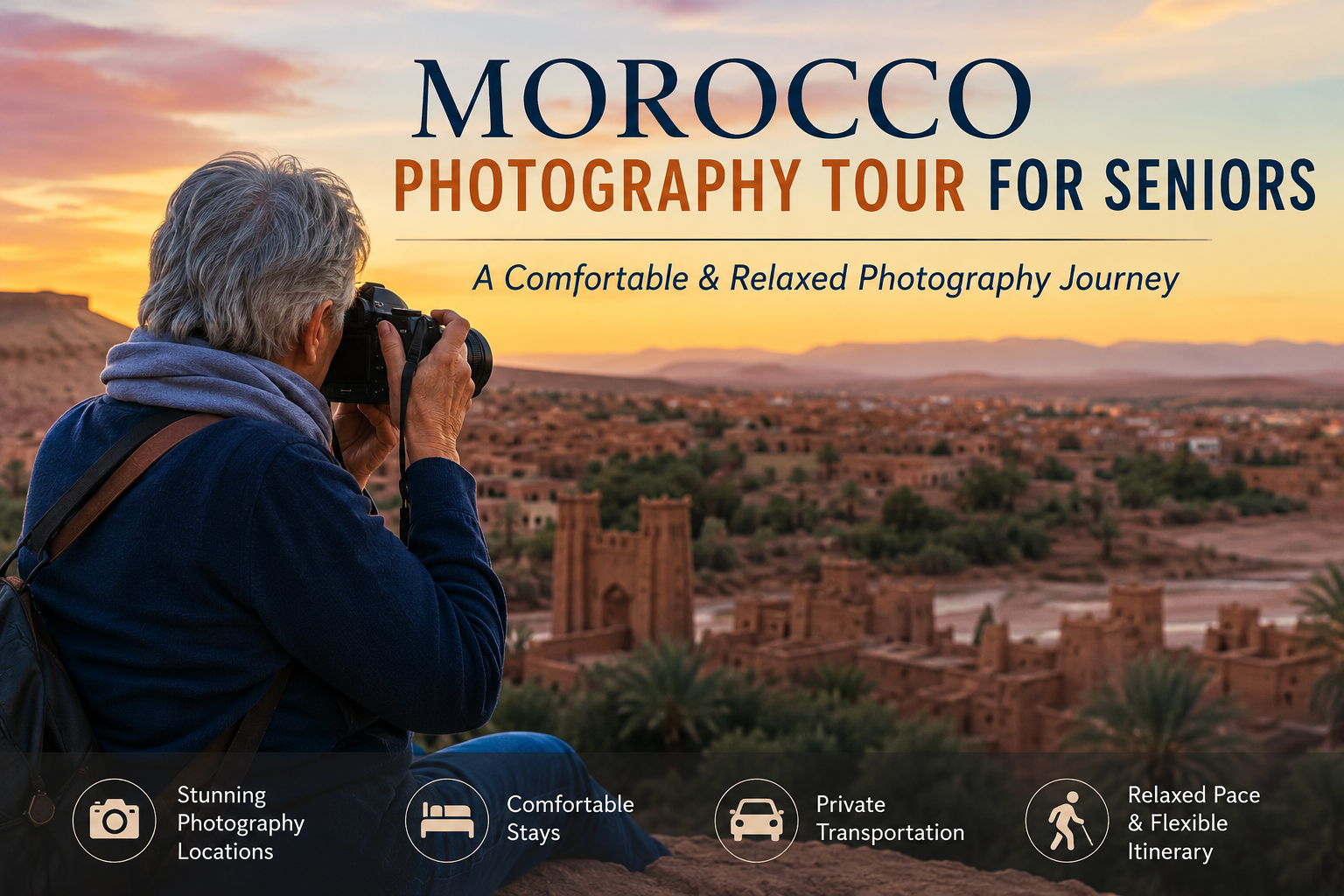
For mature travelers, however, a good photography journey should be about more than reaching beautiful locations. It should provide enough time to compose an image, wait for better light, take a comfortable break, and enjoy Morocco without feeling that every day is a race between attractions.
A Morocco photography tour for seniors can be designed around exactly that philosophy.
With private transportation, carefully chosen riads and hotels, knowledgeable local guides and a flexible itinerary, photographers can concentrate on landscapes, architecture, street scenes, crafts, portraits and everyday Moroccan life while traveling at a pace that feels enjoyable.
You do not need to photograph every sunrise. You do not need to carry a heavy camera bag through a medina all day. And you certainly do not need to sacrifice comfort to come home with memorable photographs.
Explore Morocco Photography Tours
Why Morocco Is a Dream Destination for Senior Photographers
Morocco is particularly rewarding for travel photography because dramatically different environments can be experienced within one journey.
In the north, Chefchaouen offers blue-painted streets against the Rif Mountains. Fes provides one of Morocco’s richest environments for architectural, craft and street photography. Marrakech combines historic buildings, markets, gardens, artisans and constantly changing street scenes.
Travel south and the visual character changes again.
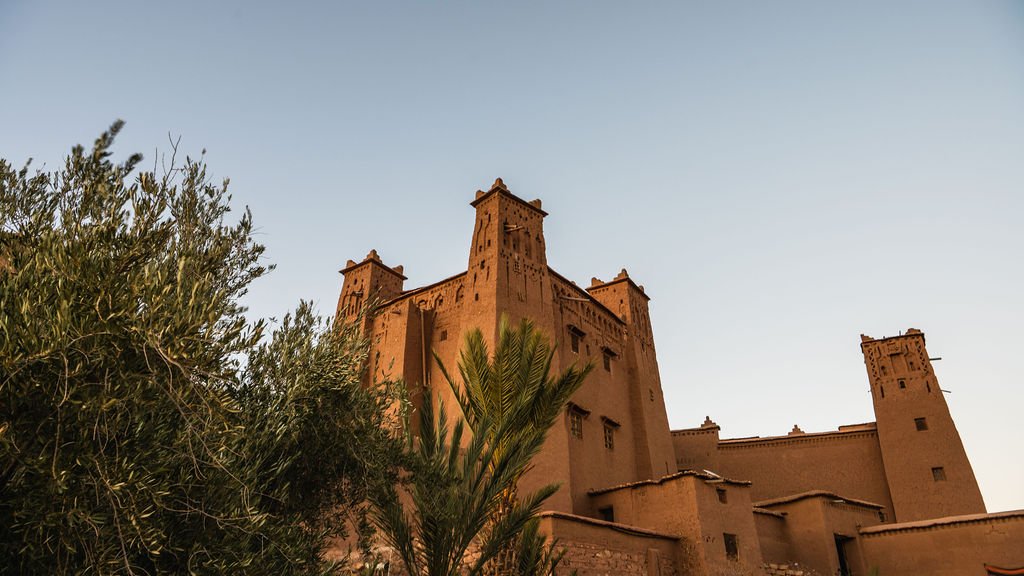
The landscape opens into valleys, palm groves, mud-brick villages and kasbahs. Ait Ben Haddou provides extraordinary earthen architecture, while the Dades Valley offers mountain scenery, rock formations and traditional settlements.
Then there is the Sahara.
The simplicity of desert landscapes makes light, shadow, shape and texture the subjects. A single dune can look completely different at midday, during golden hour and several minutes after sunset.
Morocco therefore works exceptionally well for photographers interested in several genres:
- Landscape and mountain photography
- Architecture and historic interiors
- Street and documentary-style photography
- Markets and traditional crafts
- Environmental portraits
- Food photography
- Desert landscapes and dune patterns
- Sunrise and sunset photography
- Blue-hour photography
- Night skies and astrophotography
The advantage for a mature photographer is that Morocco does not need to be experienced at high speed.
In fact, photography often improves when the itinerary slows down.
Spending two nights somewhere gives you opportunities to revisit a location under different light, explore without luggage waiting in the vehicle, enjoy a long lunch, or simply skip a photography session when you would rather rest.
A successful photography trip is not measured by how many places you see. It is measured by how much time you have to actually observe them.
Why a Private Photography Tour Works Particularly Well for Travelers Over 60
A private photography tour combines the logistical advantages of a private Morocco journey with the flexibility photographers need.
A standard sightseeing itinerary is normally designed around attractions: arrive, visit, continue to the next destination.
A photography itinerary works differently.
The journey needs to consider light, viewpoints, walking time, weather, access and patience.
If beautiful evening light appears over a valley, you may want to stop. If a market is particularly interesting in the morning, leaving the hotel earlier could be worthwhile. If you have already photographed a location successfully, you might prefer a relaxed breakfast instead of returning the following morning.
A private tour makes those decisions much easier.
Private Transportation
Having a private vehicle means you are not constantly loading and unloading camera equipment from shared transport or waiting for a large group.
It also creates opportunities for photographic stops along scenic routes.
A valley, village, mountain pass or roadside landscape may not appear on a conventional sightseeing checklist, yet it could produce one of your favorite photographs.
Flexible Departure Times
Not every morning needs to begin early.
A private itinerary can incorporate selected sunrise sessions while allowing later starts on other days.
That is particularly valuable on a 10-, 12- or 14-day journey, when repeatedly combining early mornings, full sightseeing days and sunset shoots can become tiring for travelers of any age.
Photography-Friendly Stops
Photographers often need more than five minutes at a viewpoint.
You may want to change lenses, experiment with compositions, wait for people to move through a frame or watch how shadows change.
Private travel gives you greater freedom to do that without feeling responsible for delaying a group.
Comfortable Accommodation
A beautiful riad or hotel is not simply somewhere to sleep.
Good accommodation provides a comfortable place to recover between photography sessions and can also become part of the visual experience through courtyards, tiles, carved plaster, terraces, gardens and traditional Moroccan design.
Adaptable Walking Distances
Historic medinas such as Fes and Marrakech are best explored on foot, but a private journey can concentrate on selected areas rather than attempting to cover everything in one long walk.
The same principle applies to viewpoints, kasbahs and desert photography.
The goal is not to remove exploration from the journey. It is to make the exploration worthwhile.
Local Knowledge
A knowledgeable driver and local guides can help with practical timing, access, navigation and cultural context.
In complicated medinas, this can be particularly useful. Instead of concentrating on finding your way back to the hotel, you can pay attention to light, details and potential compositions.
Design a Private Photography Tour
Best Places to Photograph in Morocco
Marrakech – Markets, Architecture and Street Photography
Marrakech offers several photographic environments within a relatively compact area.
The medina provides doors, narrow passages, workshops, traditional architecture and market activity. Historic palaces and riads introduce geometric patterns, carved plaster, woodwork, courtyards and reflections.
Morning can be especially interesting for photographers who prefer quieter streets. As shops begin opening, the medina has a different rhythm from its busier afternoon atmosphere.
Later in the day, rooftops can offer wider views across the city, sometimes with the Atlas Mountains visible in suitable conditions.
Rather than trying to photograph the entire medina in one session, mature photographers may enjoy choosing one neighborhood or theme at a time: artisans, architecture, doors, food, street scenes or historic interiors.
A local guide can also help with navigation and communication, particularly when photographing workshops or people.
Fes – Morocco’s Most Atmospheric Historic Medina
For photographers interested in traditional crafts and historic urban environments, Fes deserves time.
Its medina contains narrow lanes, small squares, workshops, fountains, carved doorways, tiled interiors and centuries-old buildings.
Traditional crafts remain an important photographic subject. Depending on your route, you may encounter metalworkers, textile workshops, woodworkers and other artisans.
The famous tanneries provide another distinctive photographic environment, particularly from elevated viewpoints.
Fes also presents a practical challenge: the medina involves considerable walking, and surfaces can be uneven.
That does not mean mature travelers should avoid it.
Instead of planning an exhausting full-day march through every possible attraction, a photography-focused visit can use shorter, more purposeful routes with breaks for lunch, tea or rest.
Two nights—or longer for serious photographers—also makes a significant difference.
Chefchaouen – Blue Streets and Mountain Light
Chefchaouen is instantly recognizable for its blue-painted streets, doors and walls.
For photographers, the attraction goes beyond the color itself. Stairs, archways, shadows, doorways, cats, local details and mountain light provide strong opportunities for layered compositions.
Early morning is particularly useful because some streets are quieter and the softer light can be easier to work with.
There is an important consideration for mature travelers: Chefchaouen is hilly.
Some accommodation requires climbing numerous stairs, and a beautiful room is not necessarily the best room if reaching it becomes inconvenient several times a day.
Hotel location therefore matters.
A thoughtfully planned Morocco photography tour for seniors should consider not only how attractive accommodation looks online but also its access, stairs and distance from convenient vehicle drop-off points.
Rabat – Elegant Architecture Without the Crowds
Rabat is sometimes treated simply as a stop between Casablanca and northern Morocco, but photographers can benefit from slowing down here.
The Kasbah of the Udayas combines white-and-blue architecture, narrow streets, historic walls and Atlantic light. Rabat also offers monumental architecture, gardens, coastal scenes and more spacious urban compositions.
Its atmosphere can feel calmer than Morocco’s busiest tourism centers, making it particularly attractive for photographers who enjoy observing rather than constantly moving.
Ait Ben Haddou – Kasbah Photography
Ait Ben Haddou is one of Morocco’s most recognizable examples of earthen architecture.
Its warm mud-brick tones react beautifully to changing light. Wider compositions can place the ksar within the surrounding dry landscape, while closer photographs reveal textures, walls, towers and architectural details.
Golden hour is particularly appealing because low-angle light emphasizes the texture of the buildings.
Photography does not have to involve climbing to the highest possible viewpoint. Lower viewpoints can provide excellent compositions, particularly when the landscape and architecture are used together.
Dades Valley – Landscapes, Kasbahs and Villages
The Dades region is ideal for photographers who enjoy the journey as much as the destination.
Mountain roads, rock formations, valleys, cultivated fields, kasbahs and traditional villages create opportunities for both wide landscapes and more intimate compositions.
A private vehicle becomes particularly valuable here.
Instead of photographing only at the best-known viewpoints, you can make sensible stops when the landscape, weather and light are interesting.
Telephoto lenses can also work surprisingly well in this environment, isolating distant villages, mountain layers or architectural details.
Sahara Desert – Erg Chebbi and Merzouga
For many photographers, the Sahara is the visual highlight of Morocco.
The Erg Chebbi dunes near Merzouga offer a remarkably simple photographic palette: sand, sky, light and shadow.
At sunrise, the first low light can define dune ridges and create long shadows. During late afternoon, warm light can transform the dunes again.
A telephoto lens is particularly useful for isolating dune patterns, distant figures or camels against layered sand. A wider lens allows you to emphasize scale and foreground.
Silhouettes can work beautifully near sunset, while the period immediately after sunset can produce softer colors and blue-hour landscapes.
Desert Portraits and Local Life
The Sahara region is not an empty photographic stage.
People live and work here, and encounters should be approached respectfully. When appropriate, a local guide can help facilitate conversations rather than photographers simply pointing cameras at people.
Night Photography
Remote desert areas can offer interesting opportunities for photographing stars when sky and weather conditions cooperate.
A lightweight tripod, wide-angle lens and spare batteries are useful if astrophotography matters to you.
Milky Way visibility depends on the season, moon, weather and timing, so it should be considered a possibility rather than promised on every trip.
Do You Have to Ride a Camel?
No.
A Sahara photography experience does not have to depend on a long camel ride.
Depending on the camp and location, private 4×4 access can provide a comfortable alternative. Camel rides can remain an optional photographic or cultural experience rather than a physical requirement.
Essaouira – Atlantic Morocco
If your itinerary allows additional time, Essaouira introduces an entirely different visual character.
Its harbor, fishing boats, ramparts, white-and-blue buildings, streets and Atlantic atmosphere provide strong opportunities for environmental and street photography.
Coastal haze and softer light can produce a different palette from the stronger colors of inland Morocco.
Suggested 12–14 Day Morocco Photography Itinerary for Seniors
A good photography itinerary should leave room for photography rather than filling every hour with sightseeing.
Suggested route: Casablanca → Rabat → Chefchaouen → Fes → Merzouga → Dades Valley → Ait Ben Haddou → Marrakech
Day 1 – Casablanca to Rabat
Arrive in Morocco and transfer privately to Rabat.
Keep the first day intentionally light. Depending on arrival time and energy, enjoy a short orientation walk or sunset photography.
Photography: Architecture, Atlantic atmosphere and introductory street scenes.
Pacing advantage: Minimal sightseeing pressure after your international flight.
Day 2 – Rabat Photography
Explore selected historic and architectural areas, including the Kasbah of the Udayas.
Allow time for lunch and a break rather than photographing continuously.
Photography: Architecture, blue-and-white streets, coastal light and historic details.
Best light: Morning and late afternoon.
Day 3 – Rabat to Chefchaouen
Travel north with photography stops where worthwhile.
Arrive with enough time to settle into your accommodation before an optional evening session.
Photography: Landscapes, town views and blue-hour streets.
Day 4 – Chefchaouen
An early session can capture quieter blue streets.
Return for breakfast or a break before exploring again later.
Photography: Street compositions, architecture, doors and mountain scenery.
Day 5 – Chefchaouen to Fes
Travel to Fes without trying to combine the transfer with an exhausting medina tour.
Settle into your riad and enjoy an optional short evening photography walk.
Day 6 – Fes Medina
Explore the medina with a knowledgeable local guide.
Concentrate on selected areas, workshops and architectural highlights rather than attempting to photograph everything.
Photography: Crafts, architecture, street life and environmental details.
Day 7 – Fes at a Slower Pace
For photographers who want a 14-day journey, an additional Fes day is extremely valuable.
Revisit favorite locations, photograph at a different time or simply enjoy a slower morning.
Day 8 – Fes Toward the Southeast
Travel toward Morocco’s desert regions through changing landscapes.
The drive itself becomes part of the photographic story.
Photography: Mountains, valleys, villages and changing geography.
Day 9 – Merzouga and the Sahara
Reach the Erg Chebbi region and settle into comfortable desert accommodation.
Plan a late-afternoon dune session rather than rushing into multiple activities.
Photography: Dunes, silhouettes, camel scenes, sunset and blue hour.
Day 10 – Sahara Photography
Choose an optional sunrise session.
After breakfast, rest before exploring the desert surroundings by private 4×4.
The second night gives you another sunset opportunity if the first evening’s conditions were less interesting.
Photography: Dune patterns, portraits, local life, landscapes and night sky.
Day 11 – Merzouga to Dades Valley
Travel west through desert and valley landscapes.
Make selected photography stops rather than stopping at every viewpoint.
Day 12 – Dades Valley to Ait Ben Haddou
Photograph landscapes, villages and kasbah architecture before reaching Ait Ben Haddou.
If timing permits, photograph the ksar in late-afternoon light.
Day 13 – Ait Ben Haddou to Marrakech
An optional early photography session provides a second opportunity at Ait Ben Haddou.
After breakfast, continue across the Atlas Mountains toward Marrakech, with scenic stops according to conditions and available time.
Day 14 – Marrakech
Finish with architecture, gardens, markets, artisans and street photography.
A private guided session can concentrate on your interests rather than following a generic sightseeing checklist.
Customize This Morocco Itinerary
What Is the Best Time of Year for a Morocco Photography Tour?
For many photography-focused travelers, spring and autumn provide an attractive balance between comfortable travel and varied photographic opportunities, while winter can also be excellent depending on the route.
Spring: March–May
Spring can bring pleasant conditions for exploring cities, valleys and rural landscapes.
Conditions vary considerably between Morocco’s coast, mountains, cities and desert, so clothing layers remain useful.
Autumn: September–November
Autumn is another popular period for photography-oriented travel.
Temperatures generally become more comfortable as the season progresses, particularly compared with midsummer heat.
Winter: December–February
Winter can be rewarding for photographers comfortable with cooler mornings and evenings.
The Sahara can become cold at night, and mountain areas require appropriate clothing.
Shorter daylight hours can also make sunrise and sunset photography easier to integrate into a comfortable daily schedule.
What About Summer?
Morocco can certainly be visited during summer, but photographers should take heat seriously, particularly in Marrakech, inland valleys and desert regions.
A summer photography itinerary should emphasize early and late sessions, air-conditioned private transportation, sensible breaks and carefully chosen destinations.
Sunrise and Sunset Photography Without an Exhausting Schedule
You do not need to photograph sunrise and sunset every day to have a successful Morocco photography trip.
A better strategy is to identify the locations where early or late light matters most.
The Sahara deserves priority because dune shadows change dramatically with low-angle light. Ait Ben Haddou can also be particularly rewarding around golden hour. Chefchaouen may justify an early start because quieter streets are part of the photographic advantage.
A comfortable photography itinerary might include:
- Two or three priority sunrise sessions
- Later breakfasts after early photography
- Free time following demanding shoots
- Sunset locations close to accommodation where possible
- Two-night stays at important photography destinations
- Optional rather than compulsory sessions
- Rest during less interesting midday light
Photography travel should not become an endurance competition.
Selecting the best opportunities often produces better photographs—and a better holiday—than trying to photograph continuously from dawn until night.
How Physically Demanding Is a Morocco Photography Tour?
A Morocco photography trip can involve moderate physical activity, but the difficulty depends heavily on the itinerary.
The most important considerations include medina walking, uneven paving, stairs, desert sand, heat and carrying camera equipment.
Fes, for example, is predominantly explored on foot. Chefchaouen has hills and stairs. Traditional riads may not have elevators. Walking on soft desert sand requires more effort than walking on pavement.
The solution is thoughtful planning rather than avoiding these destinations.
- Select accommodation with convenient access
- Request ground-floor rooms when appropriate
- Check the number of stairs before confirming a riad
- Use luggage assistance where available
- Travel with a private vehicle
- Take shorter photography walks
- Build café or lunch breaks into medina visits
- Carry one versatile lens instead of an entire kit
- Choose accessible viewpoints
- Wear comfortable, supportive footwear
Choosing Senior-Friendly Riads and Hotels
Accommodation can make a major difference to a photography tour.
Traditional Moroccan riads are often beautiful, but their historic architecture means layouts vary considerably.
Some have steep stairs. Others have rooms several levels above the courtyard. Vehicle access may also stop some distance from the entrance because many medina streets are pedestrian-only.
Before choosing accommodation, it is worth considering:
- Number and steepness of stairs
- Elevator availability in larger properties
- Ground-floor room options
- Bathroom layout
- Distance from vehicle access
- Quietness at night
- Comfortable bedding
- Terrace access
- Location relative to photography areas
- Whether staying an additional night reduces packing and unpacking
The most expensive room is not automatically the most appropriate.
For some travelers, an elegant room near convenient vehicle access is more valuable than a spectacular rooftop suite reached by several flights of stairs.
Camera Gear for Photographing Morocco
You do not need professional equipment to photograph Morocco successfully.
A modern mirrorless camera, DSLR or high-quality compact camera can all work well.
General-Purpose Lens
A lens around the 24–70mm range or equivalent is useful for architecture, markets, environmental portraits and general travel photography.
Wide-Angle Lens
A wider lens can be helpful inside riads, narrow medina lanes and for expansive desert or architectural compositions.
Telephoto Lens
Telephoto lenses can isolate Atlas Mountain layers, compress desert dunes, capture architectural details and simplify complicated scenes.
Lightweight Tripod
A tripod can help with blue hour, night photography and carefully composed landscapes.
Batteries and Memory Cards
Bring spare batteries and enough memory cards for several days. A power bank can also be useful during long travel days.
Dust Protection
Desert environments can be dusty. Keep lenses capped when appropriate, carry basic cleaning equipment and avoid unnecessary lens changes when blowing sand is present.
Keep the Camera Bag Manageable
One of the most useful pieces of advice for mature photographers is simple: you do not have to carry everything you own.
A camera with one versatile lens often produces more photographs than a heavy backpack that becomes uncomfortable halfway through the morning.
Photographing People in Morocco Respectfully
People can be an important part of Morocco travel photography, but photographs should come from respectful interaction rather than entitlement.
When someone is clearly the subject of a photograph, asking permission is usually the considerate approach.
If someone refuses, respect the answer.
A local guide can be valuable because they can help with introductions and communication, particularly when meeting artisans or visiting communities.
Markets should also be treated as real working environments rather than photography sets.
Children deserve particular consideration. Avoid treating children as easy portrait subjects simply because they are curious about a camera.
Street Photography in Morocco for Older Travelers
Street photography does not require walking for six hours.
In fact, slowing down can improve it.
Choose a visually interesting location and observe.
A café overlooking a street, a shaded square, a market entrance or a section of the medina can provide changing scenes without constant movement.
- Photograph early before streets become busiest
- Concentrate on one neighborhood
- Work with a local guide
- Use a lightweight camera setup
- Take regular café breaks
- Watch backgrounds before waiting for a subject
- Use terraces for elevated viewpoints
- Return to a promising location later
Photographing the Sahara Without Sacrificing Comfort
A Morocco desert photography tour does not have to involve rough camping or physically demanding travel.
Private 4×4 transportation can make the desert region considerably easier to explore.
Depending on the accommodation selected, desert camps may offer proper beds, private tents and private bathroom facilities. Standards differ, so the exact facilities should always be confirmed when choosing a camp.
Once settled, photographers can often work relatively close to the dunes rather than carrying equipment long distances.
A comfortable Sahara schedule might include sunset photography, dinner and rest, followed by an optional sunrise session the next morning.
Camel riding can be included for travelers who want the experience, but it does not have to be the only way to reach or photograph the desert.
What If Your Partner Isn’t a Photographer?
A private photography tour can work particularly well for couples when only one person is serious about photography.
The trip does not need to become a technical workshop.
While one traveler photographs sunrise, the other can enjoy a slower morning. A photography session in Marrakech might be balanced with a garden visit, hammam, food experience or relaxed lunch.
- Photography
- Moroccan cuisine
- History
- Gardens
- Markets
- Scenic drives
- Cultural visits
- Hammams and spa time
- Comfortable hotels
- Free afternoons
Private Photography Tour vs Group Photography Workshop
| Private Photography Tour | Group Photography Workshop |
|---|---|
| Flexible schedule | Usually fixed schedule |
| Personalized pace | Group pace |
| Private vehicle | Usually shared transportation |
| Accommodation can be customized | Hotels generally predetermined |
| Easier to arrange rest breaks | Activities follow group timetable |
| Built around personal interests | Built around workshop curriculum |
| Particularly suitable for couples | Primarily photography-focused |
| Flexible roadside photography stops | Scheduled photography sessions |
A workshop can be excellent for photographers who want structured tuition, group interaction and feedback from an instructor.
A private tour suits travelers who already enjoy photography but want their Morocco journey organized around time, access, light, comfort and flexibility rather than formal instruction.
Is Morocco Safe for Senior Travelers and Photographers?
Senior travelers can explore Morocco comfortably with sensible preparation and good organization, but no destination should be described as completely risk-free.
A private driver removes much of the logistical pressure associated with navigating unfamiliar roads and transporting luggage between destinations.
In complex medinas, local guides can help with navigation and allow travelers to concentrate on their surroundings.
Photographers should take normal precautions with camera equipment, particularly in crowded markets and busy public spaces.
Carry water, use appropriate sun protection, wear suitable footwear and plan breaks during warmer parts of the day.
Before traveling, visitors should consult the current official travel advice issued by their own government.
Why Travel With Grand Moroccan Journey?
Grand Moroccan Journey designs private Morocco journeys around the travelers rather than requiring travelers to adapt to a fixed group schedule.
For photography-focused guests, that flexibility matters.
Your itinerary can be planned around the places you most want to photograph, the number of nights you prefer in each destination and the balance you want between photography and normal sightseeing.
- Private tailor-made itineraries
- Comfortable private transportation
- Experienced local drivers
- Knowledgeable local guides
- Carefully selected riads and hotels
- Photography-friendly pacing
- Sahara and desert travel
- Flexible photography stops
- Rest time
- Personalized support
If avoiding excessive stairs matters, that should influence accommodation selection.
If landscapes are more important than markets, the route can reflect that.
If you would rather photograph three locations properly than rush through six, the itinerary can be designed accordingly.
Morocco Photography Tours You May Like
10-Day Morocco Photography Tour
Ideal for: Photographers with limited vacation time who still want to experience several of Morocco’s major visual landscapes.
Duration: Approximately 10 days
Photography focus: Historic medinas, architecture, Atlas landscapes, kasbahs and Sahara dunes.
Style: Private and photography-oriented, with carefully selected stops and comfortable transportation.
Explore a 10-Day Morocco Photography Tour
14-Day Morocco Photography Tour for Seniors
Ideal for: Mature photographers and couples who want a more comfortable balance between photography, sightseeing and rest.
Duration: Approximately 14 days
Photography focus: Rabat, Chefchaouen, Fes, Sahara, Dades Valley, Ait Ben Haddou and Marrakech.
Style: Slower private travel with strategically placed two-night stays.
For many travelers, this is the most balanced option because fourteen days provides greater flexibility for morning and evening photography without requiring every day to be packed with activities.
Design My 14-Day Photography Journey
Private Luxury Morocco Photography Tour
Ideal for: Travelers who value upgraded accommodation, privacy and highly personalized planning.
Duration: Custom
Photography focus: Tailored to landscapes, architecture, culture, street photography, desert photography or a combination.
Style: Private transportation, carefully selected riads and hotels, upgraded desert accommodation and flexible scheduling.
Plan a Private Luxury Photography Tour
Frequently Asked Questions About Morocco Photography Tours for Seniors
Is Morocco a good destination for senior photographers?
Yes. Morocco is particularly attractive for mature photographers because one journey can combine architecture, historic medinas, mountains, traditional villages, Atlantic scenery and Sahara landscapes. A private itinerary can reduce unnecessary rushing by using comfortable transportation, two-night stays, selected photography sessions and shorter walking routes where appropriate.
What is the best Morocco photography tour for seniors?
For many travelers, a private 12- to 14-day itinerary provides the best balance. It allows time for major photography destinations such as Fes, Chefchaouen, the Sahara, Dades Valley, Ait Ben Haddou and Marrakech without changing hotels every night.
How many days do you need for a photography tour of Morocco?
Around 12–14 days is ideal for a broad photography journey, although excellent 10-day tours are possible with a more selective route.
What are the best places for photography in Morocco?
Excellent photography destinations include Marrakech, Fes, Chefchaouen, Rabat, Ait Ben Haddou, Dades Valley, the Erg Chebbi Sahara and Essaouira.
What is the best month for photography in Morocco?
There is no single best month for every region or photographer. Spring and autumn are attractive because they can provide a useful balance of temperatures and daylight. Winter can also be excellent, especially for travelers comfortable with colder desert nights and mountain mornings.
Is Morocco suitable for travelers over 60?
Yes, particularly when the journey is designed around the traveler’s preferred pace. Private transportation, carefully selected accommodation, sensible walking distances and multi-night stays can make Morocco very enjoyable for travelers in their 60s, 70s and beyond.
How much walking is required on a Morocco photography tour?
It depends on the itinerary. Fes and Marrakech medinas involve walking, while Chefchaouen has hills and stairs. Desert sand can also require additional effort. A private itinerary can reduce unnecessary walking by selecting appropriate routes, hotels and viewpoints.
Can a Morocco photography tour be customized for limited mobility?
Many aspects can be adapted, although accessibility varies by destination. Hotel access, room location, stairs, walking routes, vehicle drop-off points and desert activities should be discussed before booking.
Do I need professional camera equipment?
No. Morocco can be photographed successfully with a mirrorless camera, DSLR, compact camera or even a good smartphone. A versatile general-purpose lens is often more useful for travel than carrying a large collection of heavy equipment.
Can I photograph people in Morocco?
People photography should be approached respectfully. When someone is clearly the subject, asking permission is a considerate approach. Respect refusals and be especially thoughtful when photographing children.
Is the Sahara difficult for older travelers?
It does not necessarily have to be. Private 4×4 transportation and comfortable desert accommodation can reduce the physical demands considerably.
Can I visit the Sahara without riding a camel?
Yes. Depending on your accommodation and itinerary, 4×4 transportation can provide an alternative way to access desert areas. Camel riding can be treated as optional rather than essential.
Are private Morocco tours better for senior travelers?
Private tours can be particularly suitable for travelers who value flexibility. Departure times, walking distances, photography stops, hotels and rest periods can be adapted more easily than on a fixed group itinerary.
Can my non-photographer spouse join the tour?
Absolutely. A private photography journey can combine photography with food, history, gardens, markets, hammams, scenic drives and relaxed hotel time.
What should I pack for a Morocco photography trip?
Bring comfortable footwear, clothing appropriate to the season, sun protection, camera equipment, spare batteries, memory cards, cleaning supplies and a manageable camera bag.
Is a tripod useful in Morocco?
A tripod is useful for blue-hour photography, desert landscapes, architecture and night-sky photography. A lightweight travel tripod is usually more practical than a heavy professional model.
Is Morocco good for street photography?
Yes. Marrakech, Fes, Essaouira and other Moroccan cities provide architecture, markets, workshops and everyday street scenes. Slower observational photography can work particularly well.
Can I photograph the Milky Way in the Sahara?
The Sahara can provide opportunities for night-sky photography because some desert areas have relatively dark skies. However, Milky Way visibility depends on the season, moon phase, weather and timing.
How far in advance should I book a private Morocco photography tour?
Booking earlier gives you more choice of preferred accommodation, room categories and itinerary arrangements, particularly during popular travel periods.
Can Grand Moroccan Journey customize the itinerary around photography?
Yes. Grand Moroccan Journey’s private-tour model allows an itinerary to be planned around photography interests, preferred destinations, travel dates, accommodation style and desired pace.
Plan Your Private Morocco Photography Journey
A photography journey through Morocco does not need to be rushed, physically exhausting or built around a rigid workshop schedule.
It can be something much more personal.
You can spend two nights where photography deserves time. Choose a few important sunrises instead of waking before dawn every morning. Travel in a comfortable private vehicle. Stop when a landscape catches your attention. Select riads and hotels with both character and practical access in mind.
Most importantly, you can have enough time to photograph Morocco rather than simply visit it.
For mature travelers and photographers over 60, that combination of flexibility, comfort and time can transform the experience.
Morocco provides the subjects: extraordinary light, historic architecture, mountain valleys, craftsmanship, markets, Atlantic towns and the constantly changing Sahara.
A thoughtfully designed private journey provides the time to see them properly.
Planning a Morocco photography trip? Grand Moroccan Journey can design a private itinerary around your photography interests, preferred pace, accommodation style and travel dates.
STAY IN THE LOOP
Subscribe to our free newsletter.
Leave A Comment
Morocco in Summer for Seniors: Comfortable & Safe Travel Guide Morocco is a beautiful destination for older travelers looking for culture, sunshine, warm hospitality, and unforgettable landscapes. From the colorful medinas of Marrakech and Fes to the peaceful Atlantic coast, the Atlas Mountains, and the magic of the Sahara, the country offers a rich travel
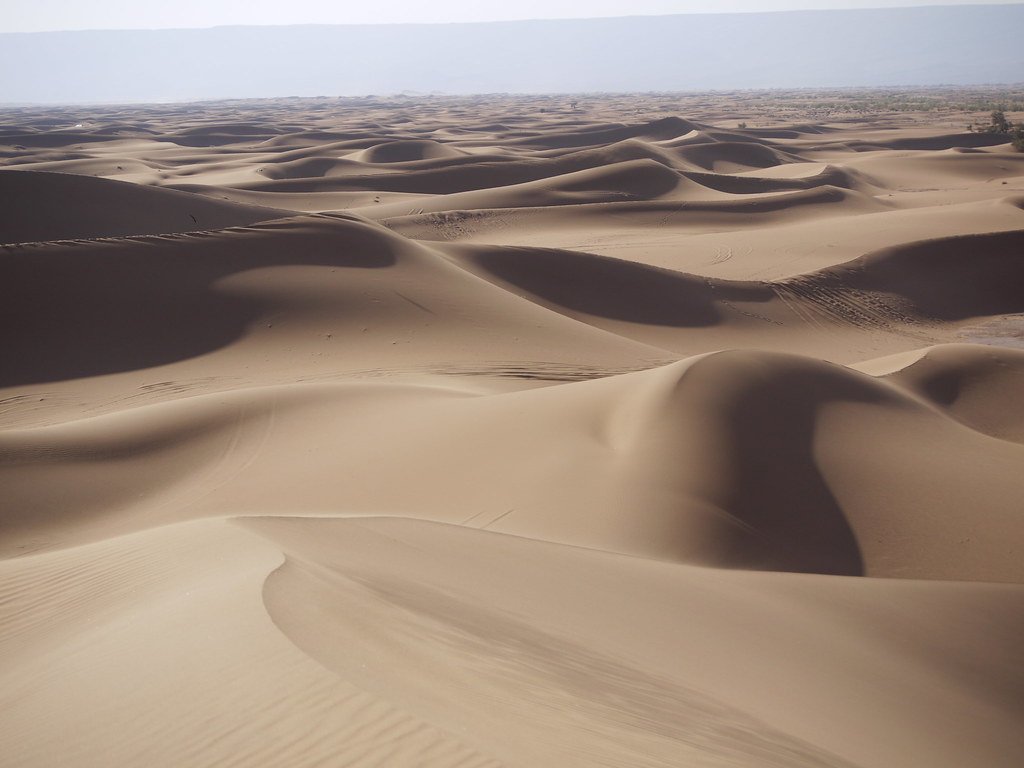
4-Day Erg Chegaga Desert Tour from Marrakech – Ultimate Sahara Adventure If you are looking for a unique and authentic Sahara experience, the 4-day Chegaga Desert Tour from Marrakech is one of the best Morocco tours you can choose. This journey takes you far beyond the typical tourist routes into the wild and untouched landscapes of
Morocco Photography Tours – Capture the Soul of Morocco Morocco Photography Tours with Grand Moroccan Journey are designed for travelers and photographers who want more than a classic trip. These carefully crafted Morocco photo tours take you deep into authentic landscapes, remote desert regions, vibrant cities, and timeless villages—always with the right light, the right
Why Seniors Love Morocco – A Comfortable & Cultural Journey Morocco has become one of the most loved travel destinations for senior travelers seeking culture, comfort, and authentic experiences. With its warm hospitality, rich history, diverse landscapes, and relaxed pace, Morocco offers the perfect balance between discovery and ease. From imperial cities to peaceful desert